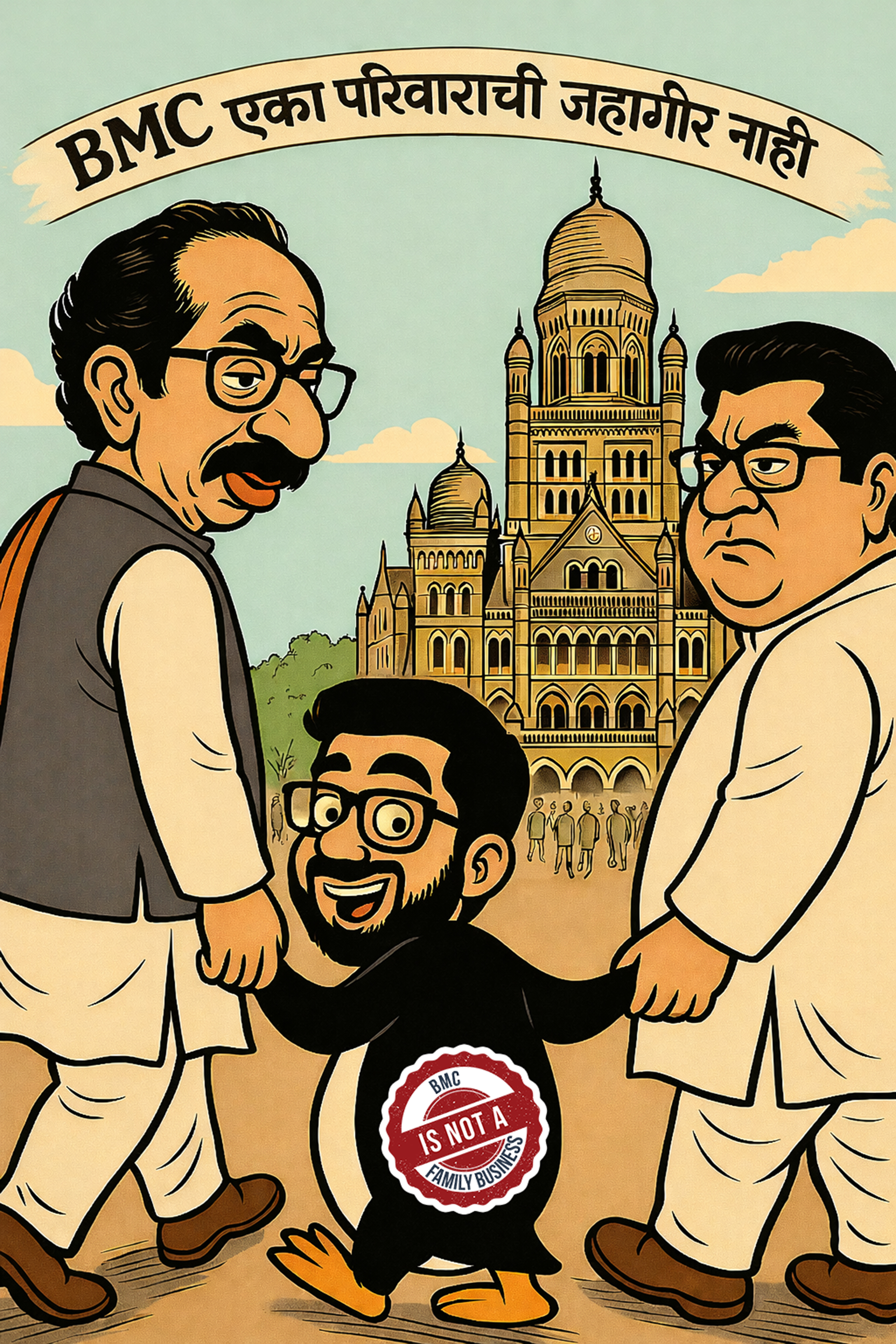
BMC’s solid-waste management in shambles: a scam culture nurtured under dynastic rule...
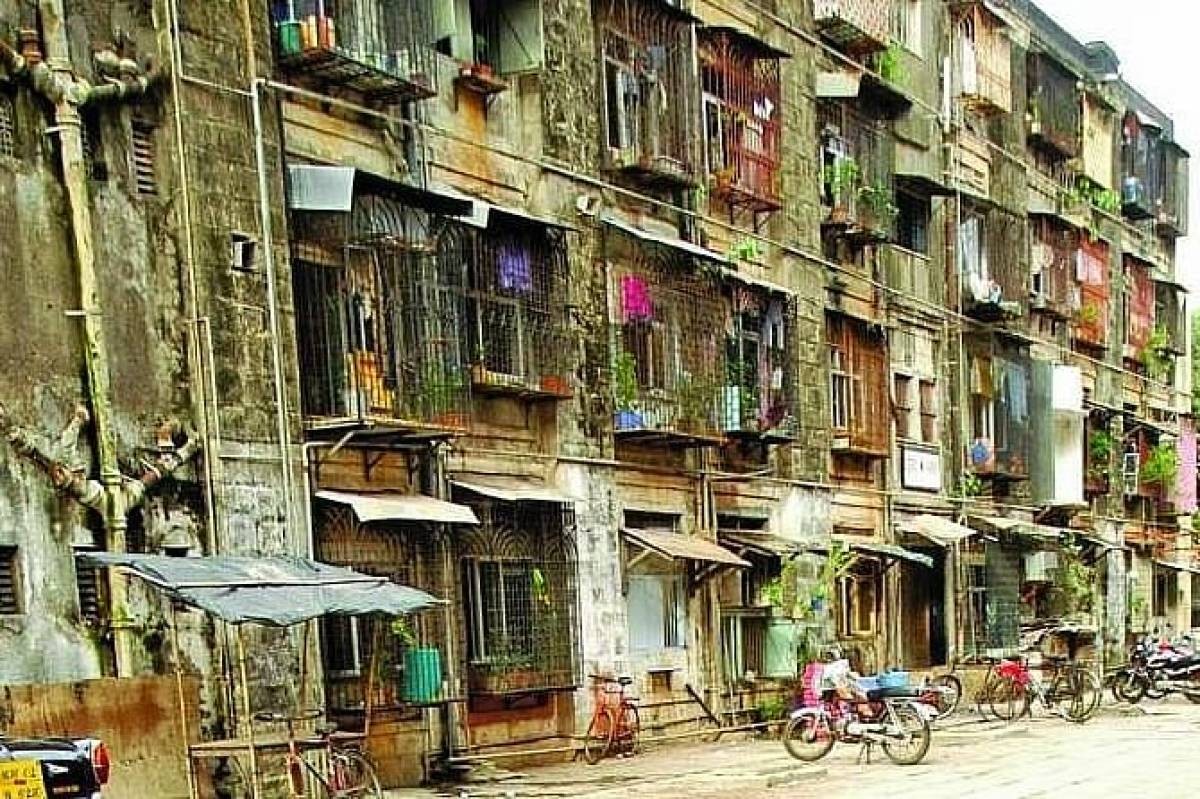
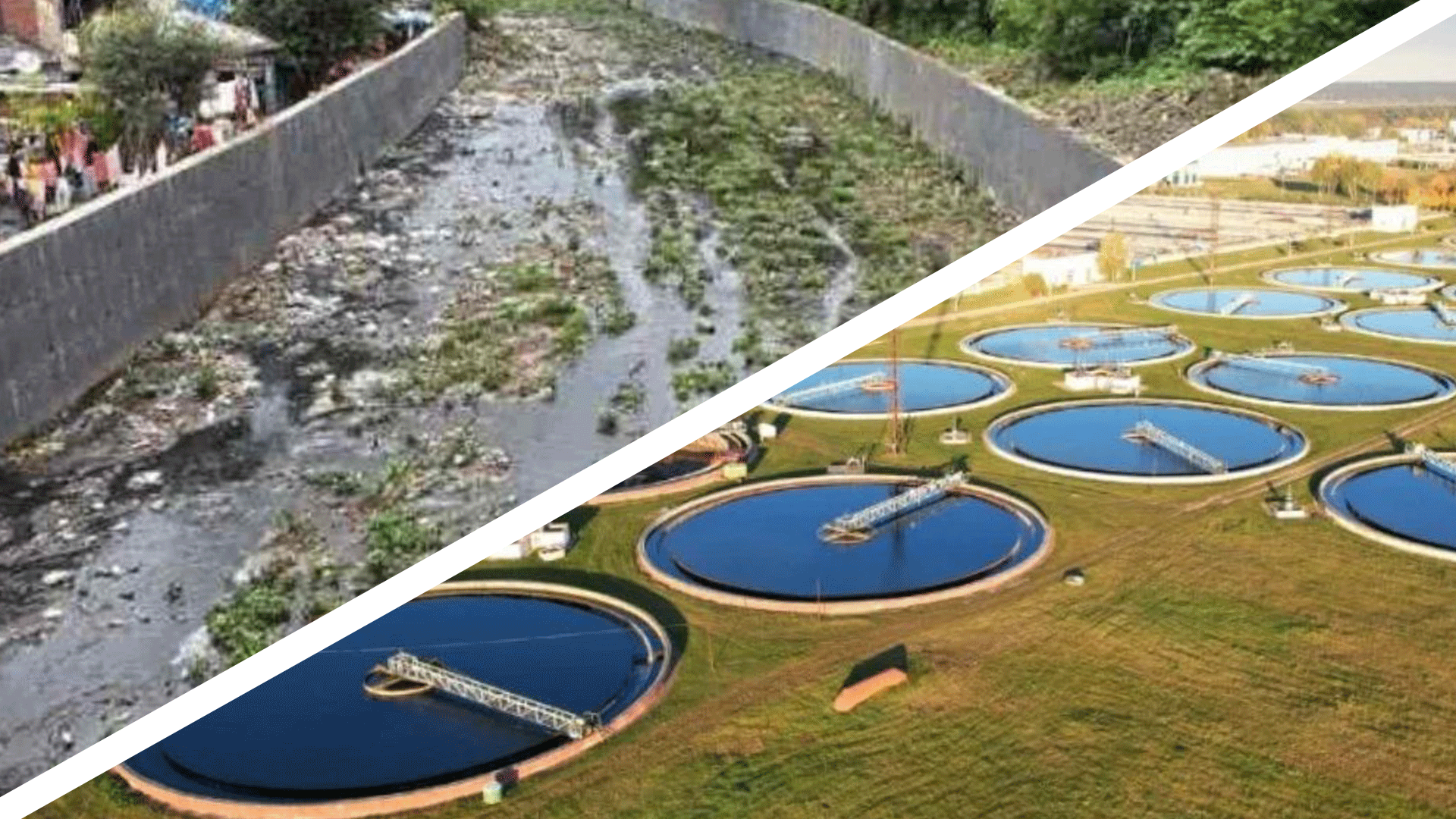
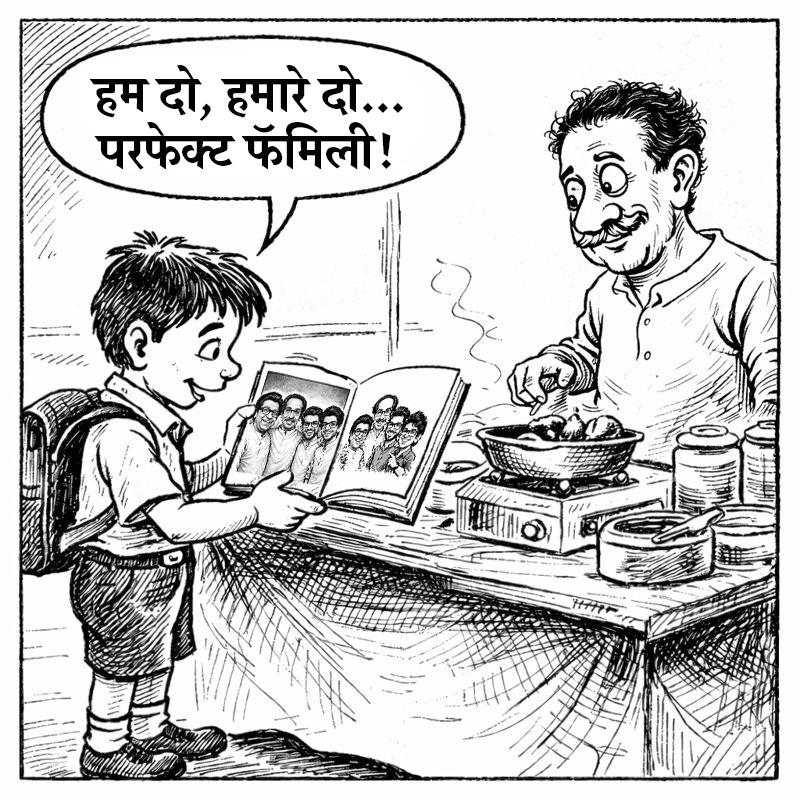
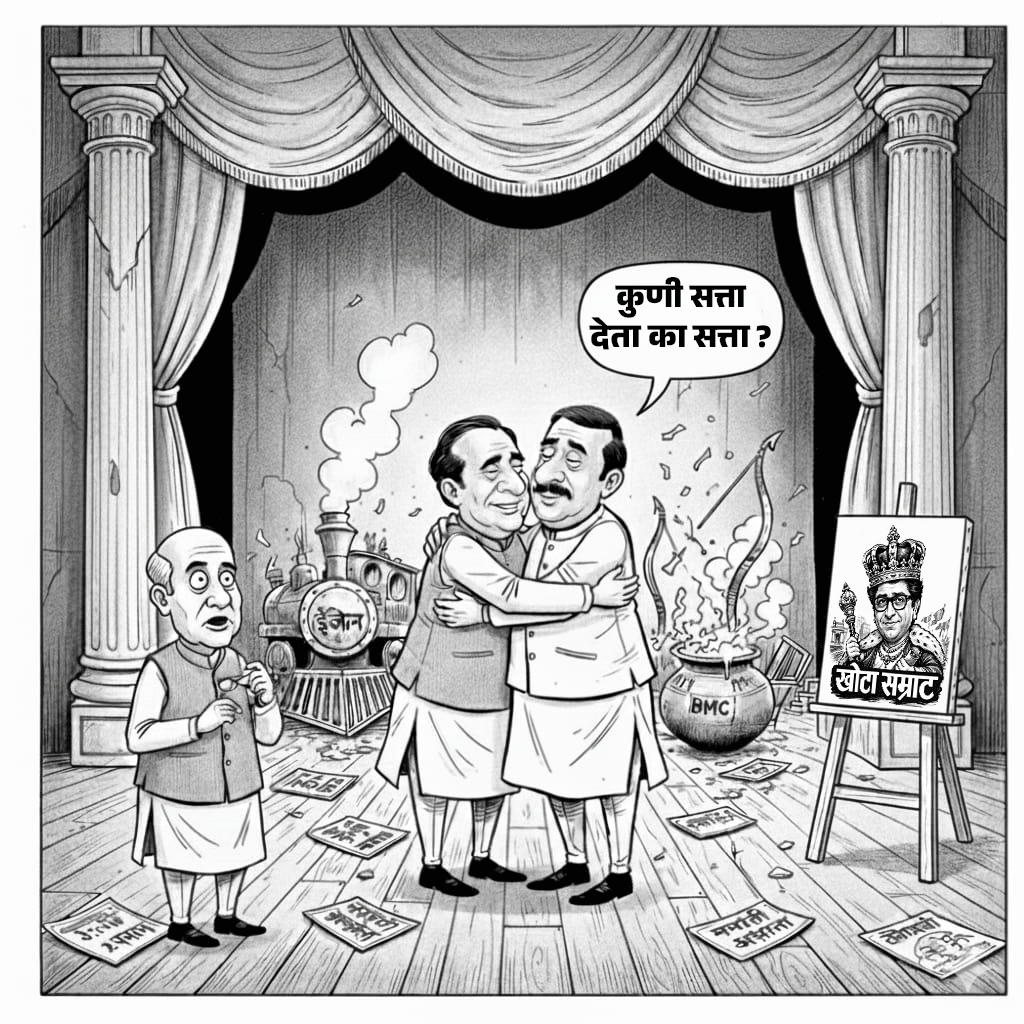
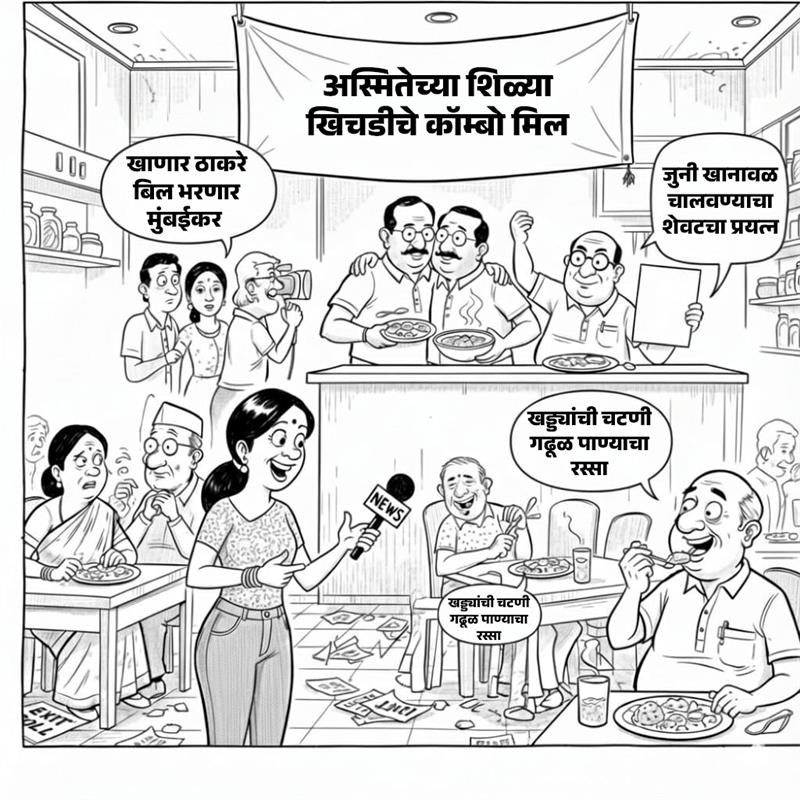
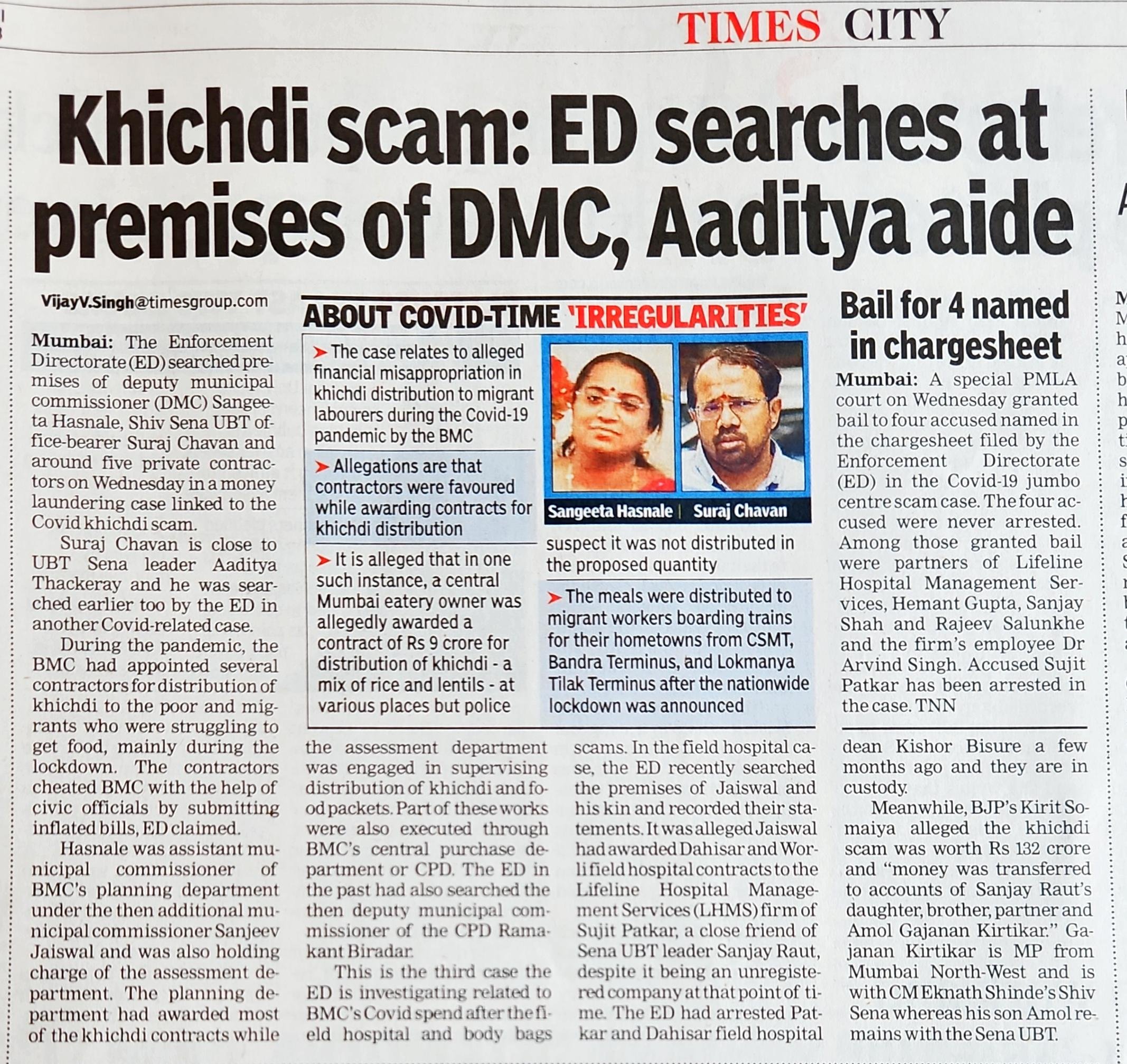
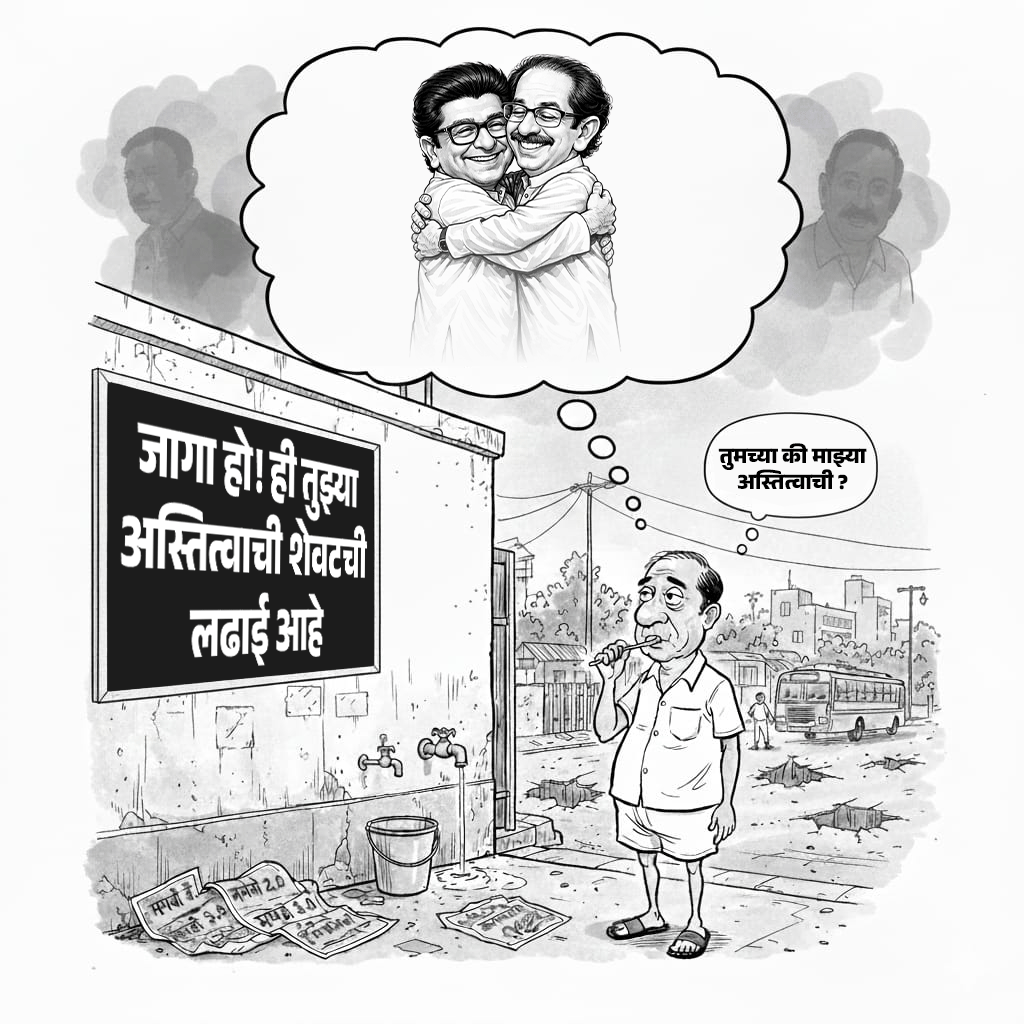
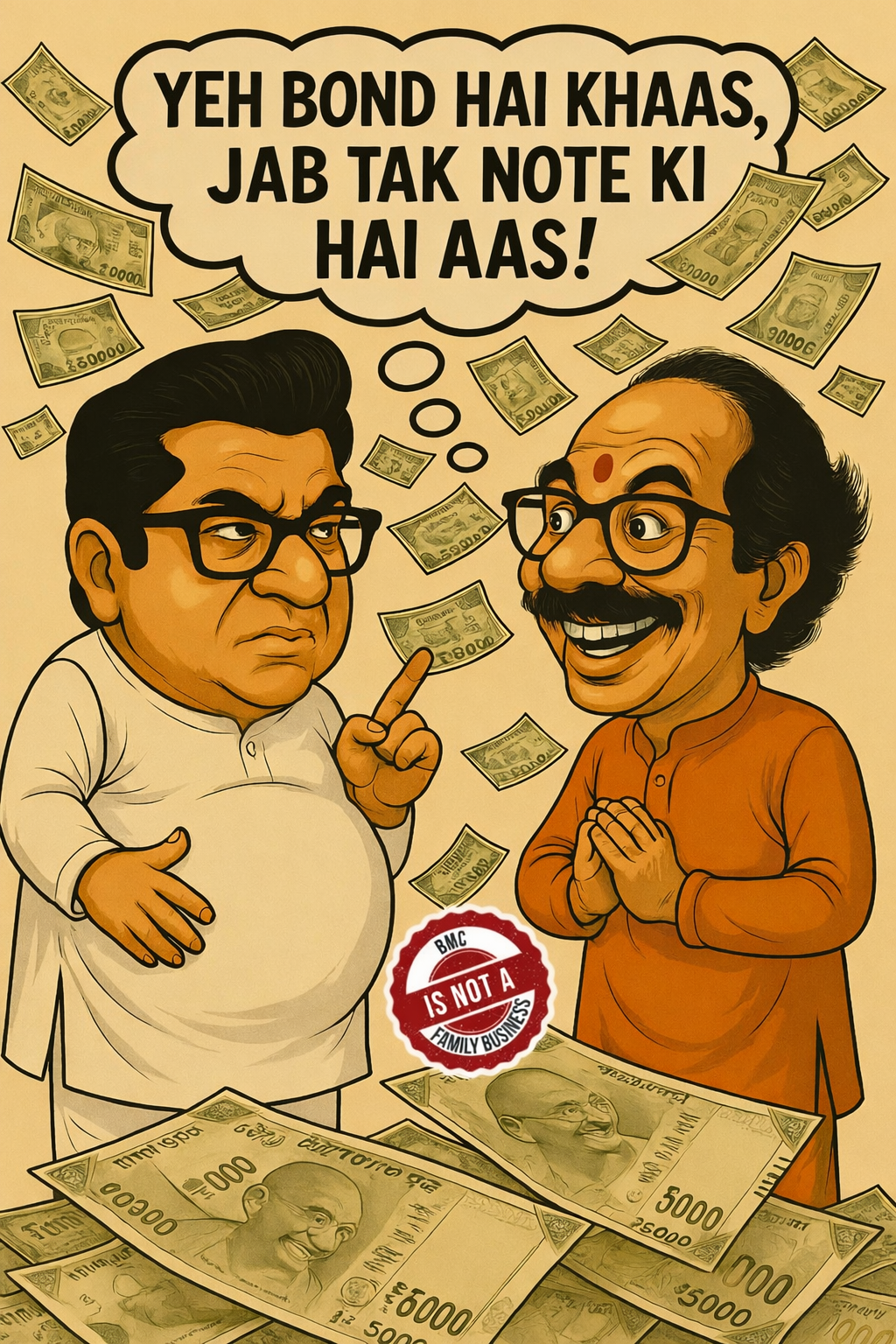
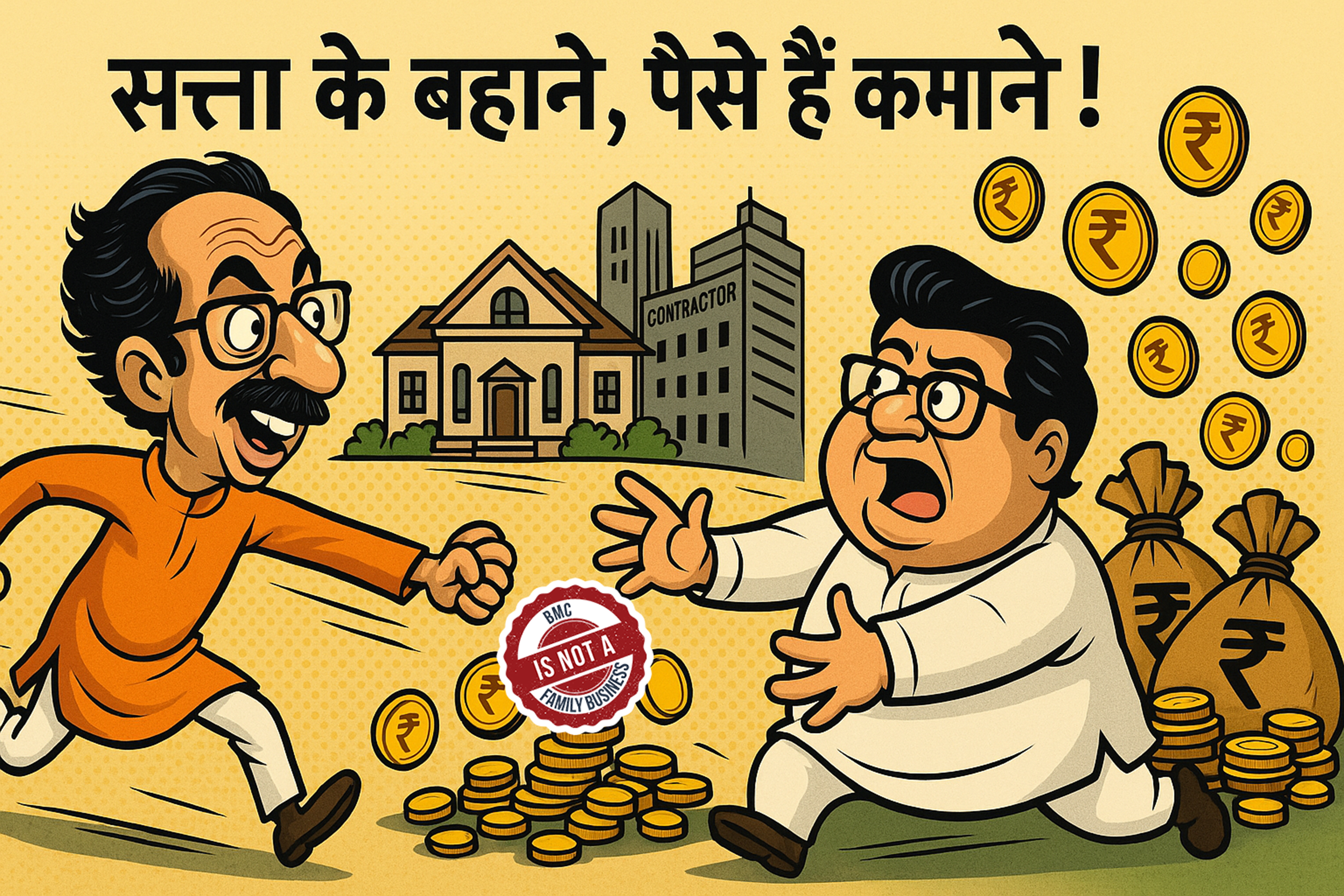
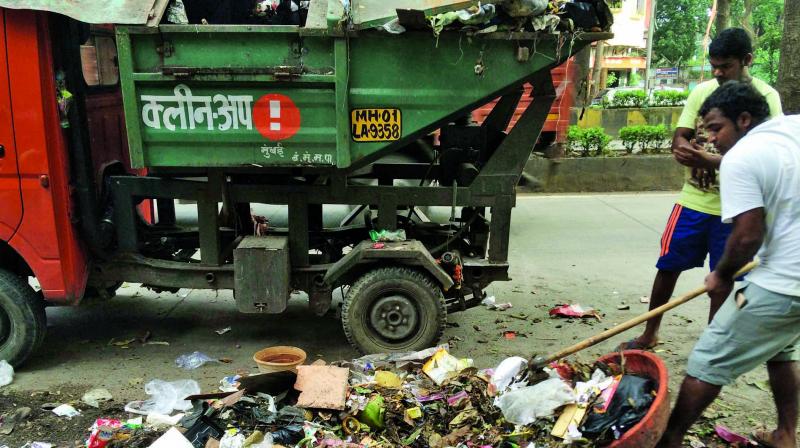
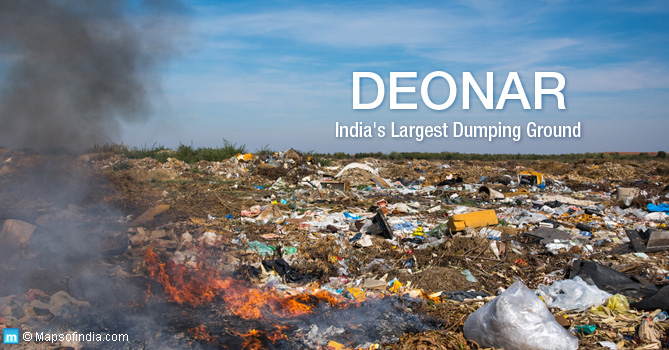
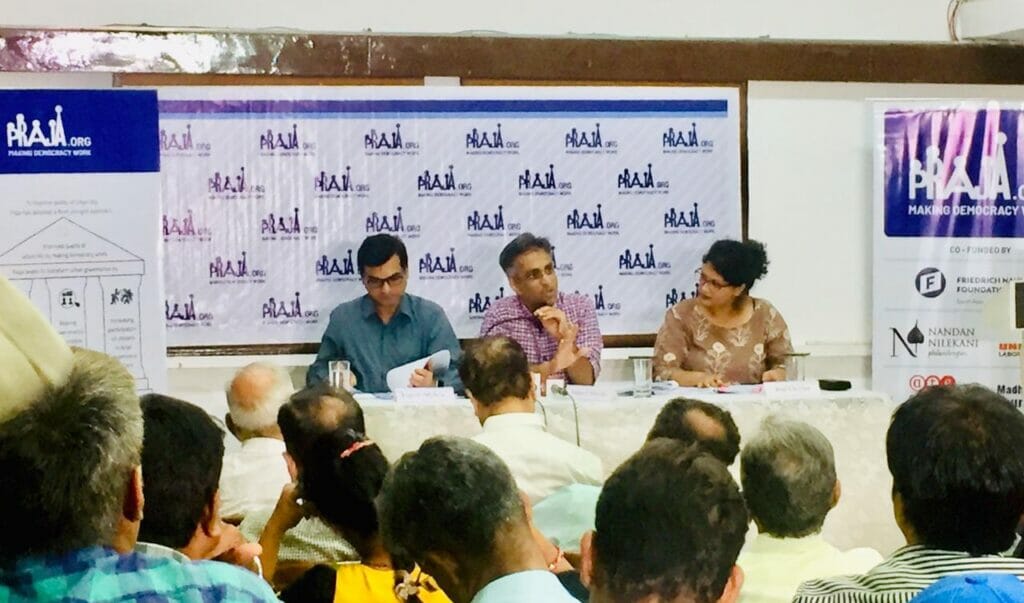
ArticlesMumbai is widely recognised as the financial capital of India. Yet, this metropolis that powers the nation’s economy is not defined only by skyscrapers, the stock market, or corporate headquarters; the true identity of a city is determined by cleanliness, public health, environmental standards, and the quality of civic amenities. Unfortunately, Mumbai remains trapped in problems such as mountains of garbage, foul odour, pollution, and a failing solid-waste management system. The causes are not limited to population growth or slums alone; it is repeatedly alleged that the long-standing dynastic control over the Brihanmumbai Municipal Corporation (BMC) has produced a corrupt, negligent, and accountability-free work culture. Since 1997, for nearly twenty-five years, the BMC remained under the dominance of a single political dynasty. Despite holding power in the municipal corporation for such a prolonged period, why is Mumbai still not recognised as a “clean metropolis”? This is the question Mumbaikars are asking. Official reports have increasingly highlighted the BMC’s failure even in a fundamental area like solid-waste management. The Reality Exposed by the CAG Report The 2024 report of the Comptroller and Auditor General of India (CAG), titled “Waste Management in Urban Local Bodies,” points directly at the BMC’s functioning. It clearly reveals how weak and poorly implemented solid-waste management was in Mumbai during the period from 2016–17 to 2021–22. Out of 3,340 bulk waste generators in the BMC area, as many as 1,663—nearly 50 percent—did not process waste at the source. The rules exist, the orders exist, the notices exist; but where is enforcement? The pattern that appears to have continued for years is this: issue notices, record fines on paper, and thereby evade real accountability. The Deonar dumping ground is a living symbol of Mumbai’s failure in solid-waste management. Between 2016 and 2022, about 5.128 million metric tonnes of unprocessed waste were dumped at Deonar. Ignoring environmental risks, public-health hazards, and the suffering of local residents while continuing to dump waste raises a serious question: what kind of “urban management policy” is this? The ‘Waste-to-Energy’ Project: Lack of Planning or Political Convenience? To reduce the waste burden at Deonar, a ‘waste-to-energy’ project was announced. However, there were delays at every stage—tendering, contracts, geological reports, and work orders. For more than four years, activity remained largely confined to paperwork, while in reality, waste continued to accumulate daily at Deonar. This has led to suspicion: was the delay merely an administrative failure, or was time deliberately wasted to protect certain vested interests? The ‘Praja’ Report and Ground Reality The Praja Foundation report published in May 2025 also raised serious doubts about the BMC’s claims. Official figures presented by the BMC state that 86 percent of waste is being segregated. However, data from 46 dry-waste segregation centres and dumping grounds clearly indicates that effective segregation at the source is not actually happening. In other words, the numbers look impressive on paper, but the ground reality is different. In July 2022, the BMC applied for a 3-star rating under the ‘Garbage Free City’ initiative but failed to obtain it. That failure stands as a serious observation on the BMC’s long-term governance. Construction Waste and the Misuse of the ‘System’ Along with solid waste, construction and demolition waste has also become a serious concern. In many parts of Mumbai, construction debris is dumped on roadsides at night. Citizens complain that even authorised transporters do not arrive on time and often do not answer calls. It is openly alleged that these transporters enjoy political protection and therefore face no action. For ordinary Mumbaikars, this is simply another form of corruption. Dynastic Control and the Concentration of Power within the BMC The thread connecting all these issues leads to one core point: dynastic dominance over the BMC. It is alleged that because one family retained power for years, the BMC stopped functioning as a democratic institution and began operating like private property. The family’s “left hand” and “right hand” were positioned across ward committees, standing committees, and key posts. Decision-making became concentrated in the hands of a few. Contracts, tenders, and projects kept revolving within a fixed framework. Critics argue that it was under this protective political umbrella that irregularities, corruption, and scams took root. Without fixing responsibility, failures were concealed through emotional political narratives. Instead of prioritising cleanliness, it is alleged that priority was given to retaining power—an accusation that Mumbaikars now make openly. The Need for Change If Mumbai is to become a truly world-class city, there is no alternative to transparency, accountability, and long-term planning. A city cannot be run on announcements, emotional politics, or personality-centric rule alone. Failure in a basic domain like solid-waste management directly affects public health, the environment, and the city’s reputation. And therefore, today it must be stated firmly: the BMC is not the private estate of any one family. BMC is not a family business #notafamilybusiness

Continue watching