Mumbai STP project: 20 years’ delay, ₹26,000-crore cost, and the price of decision paralysis in the BMC!
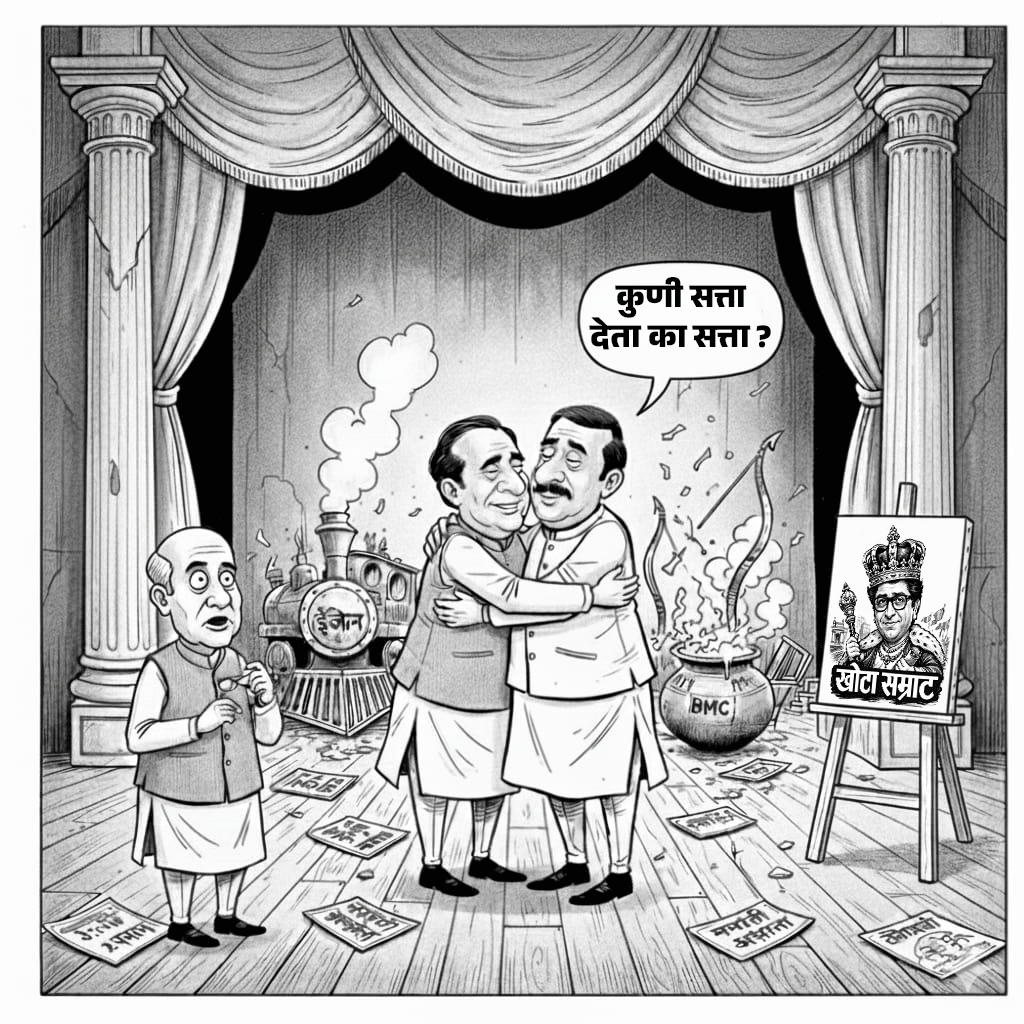
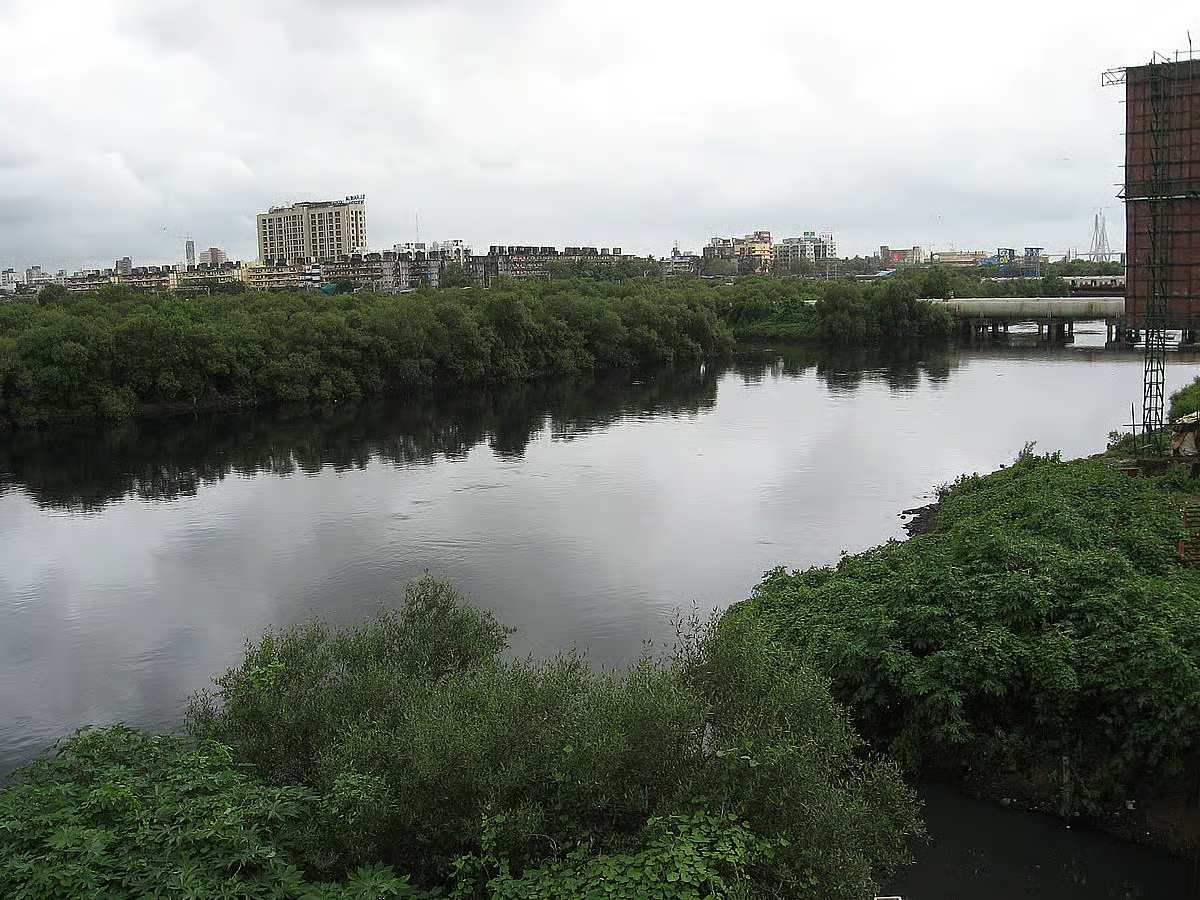
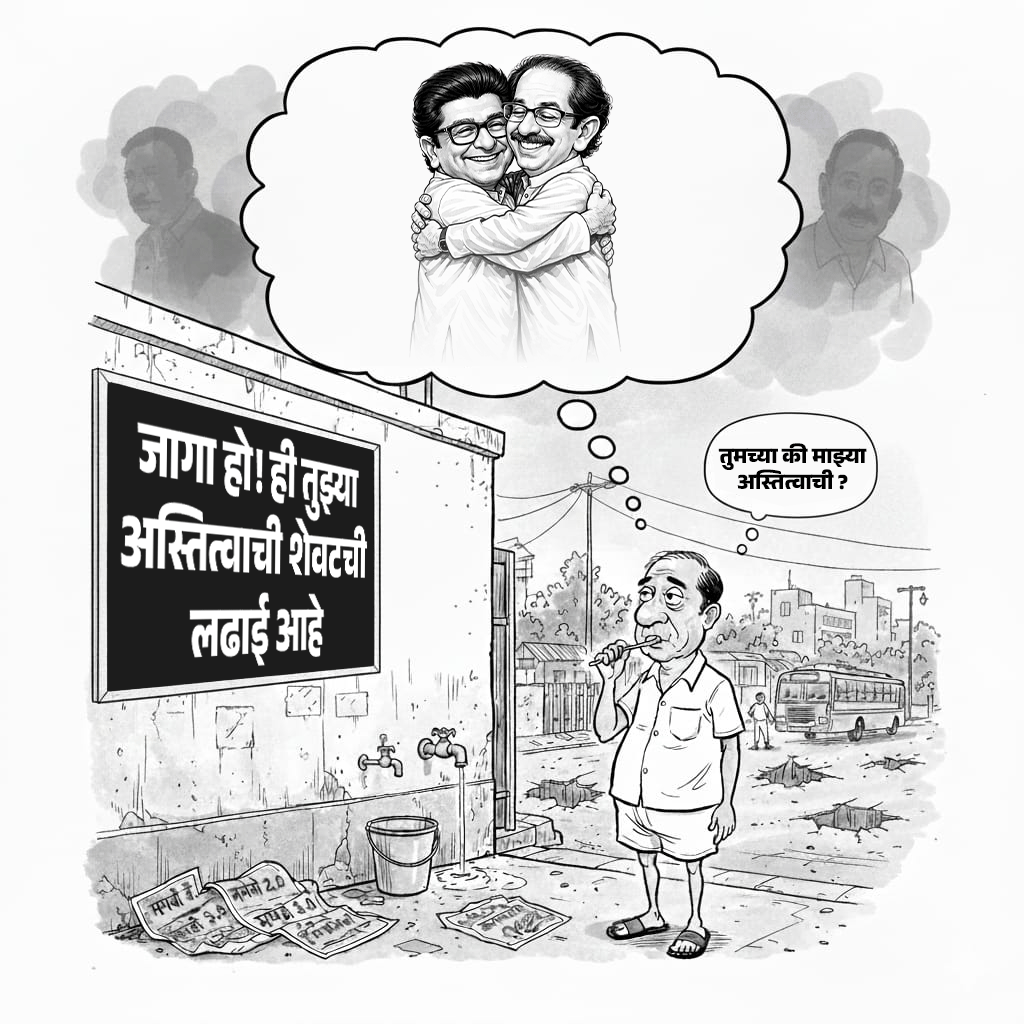
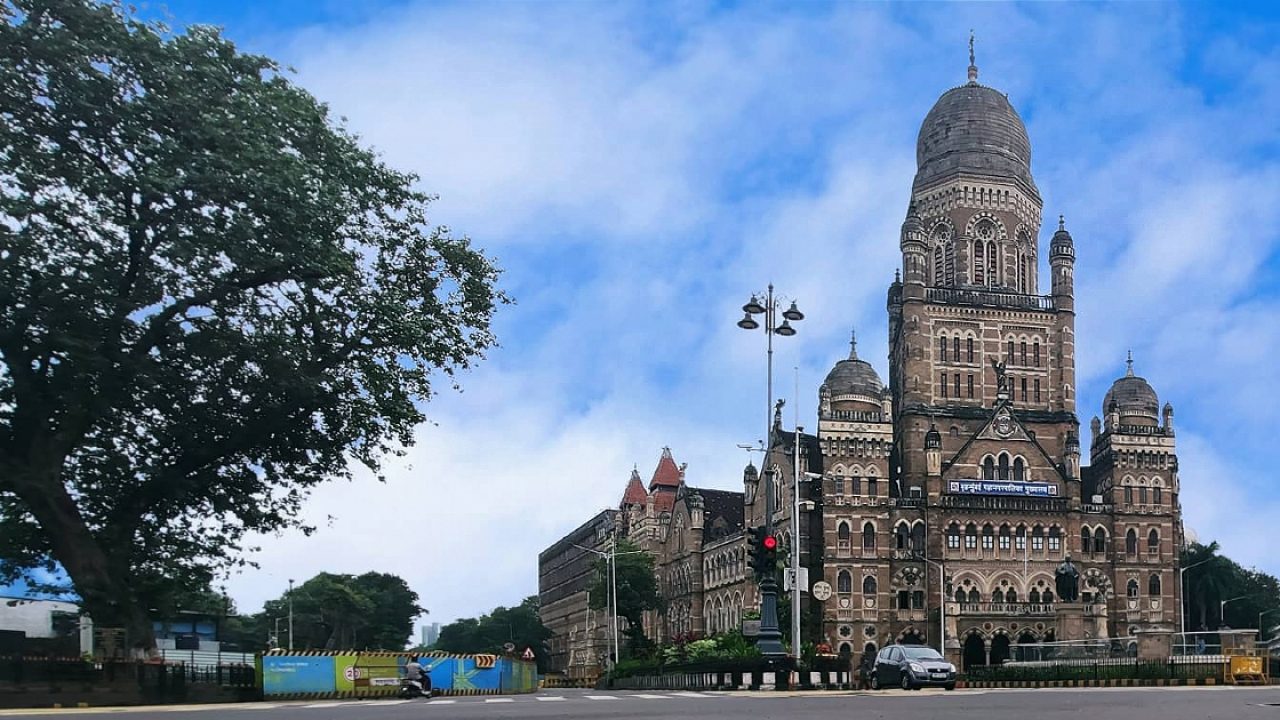
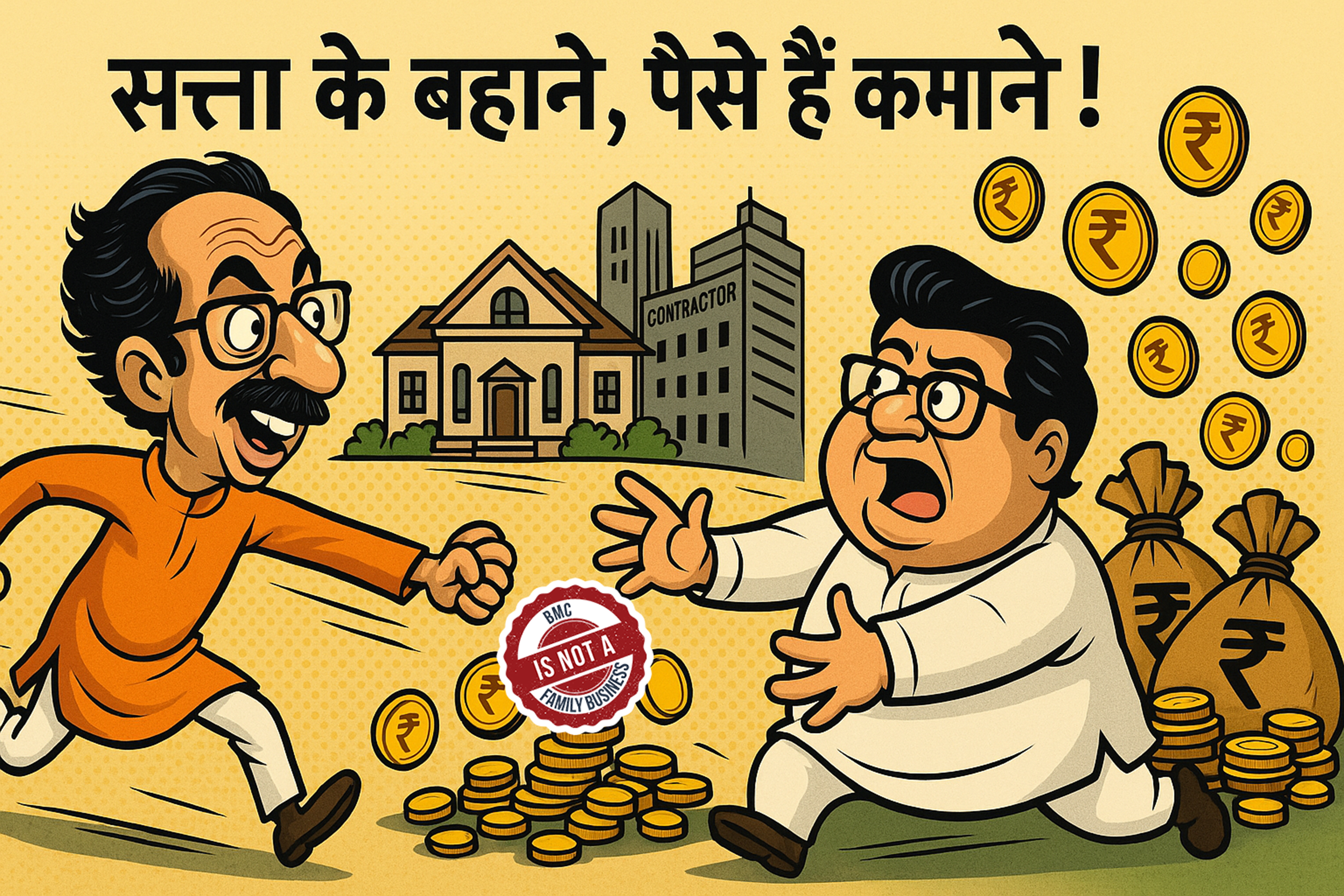
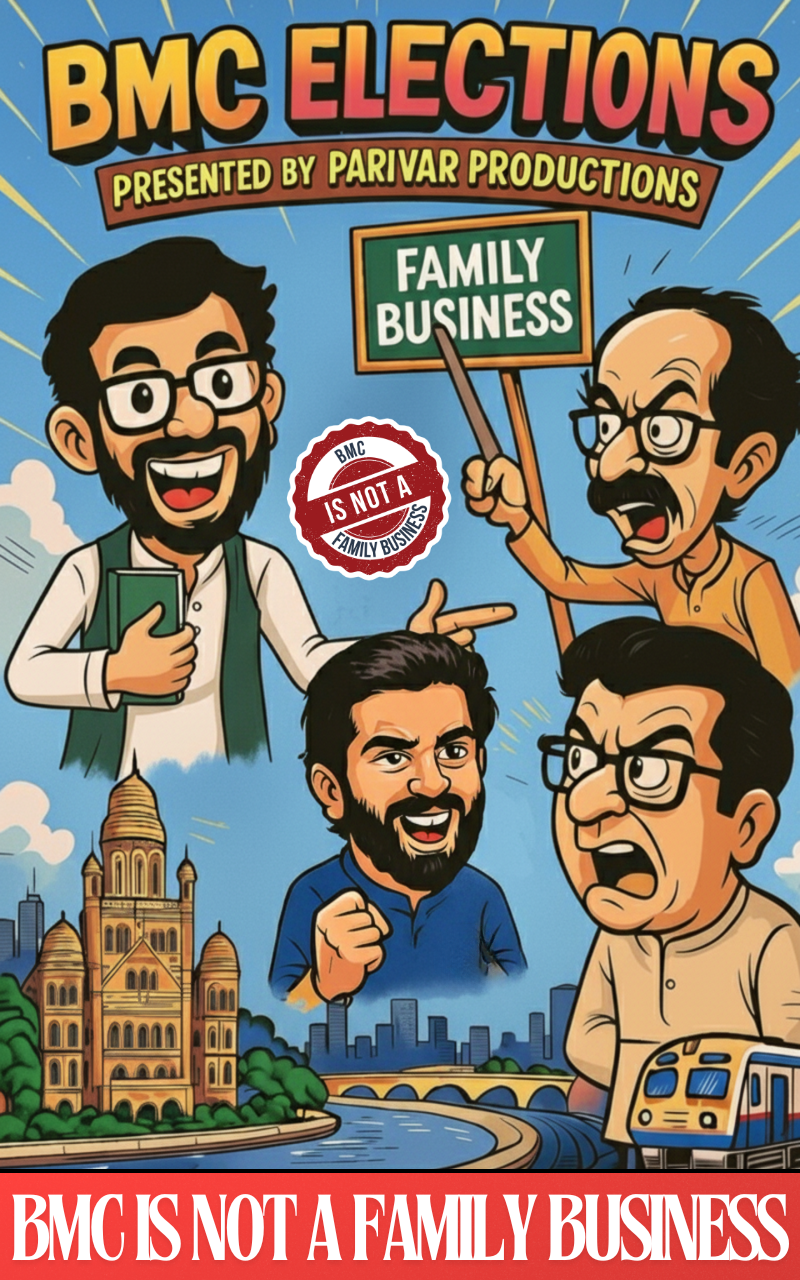
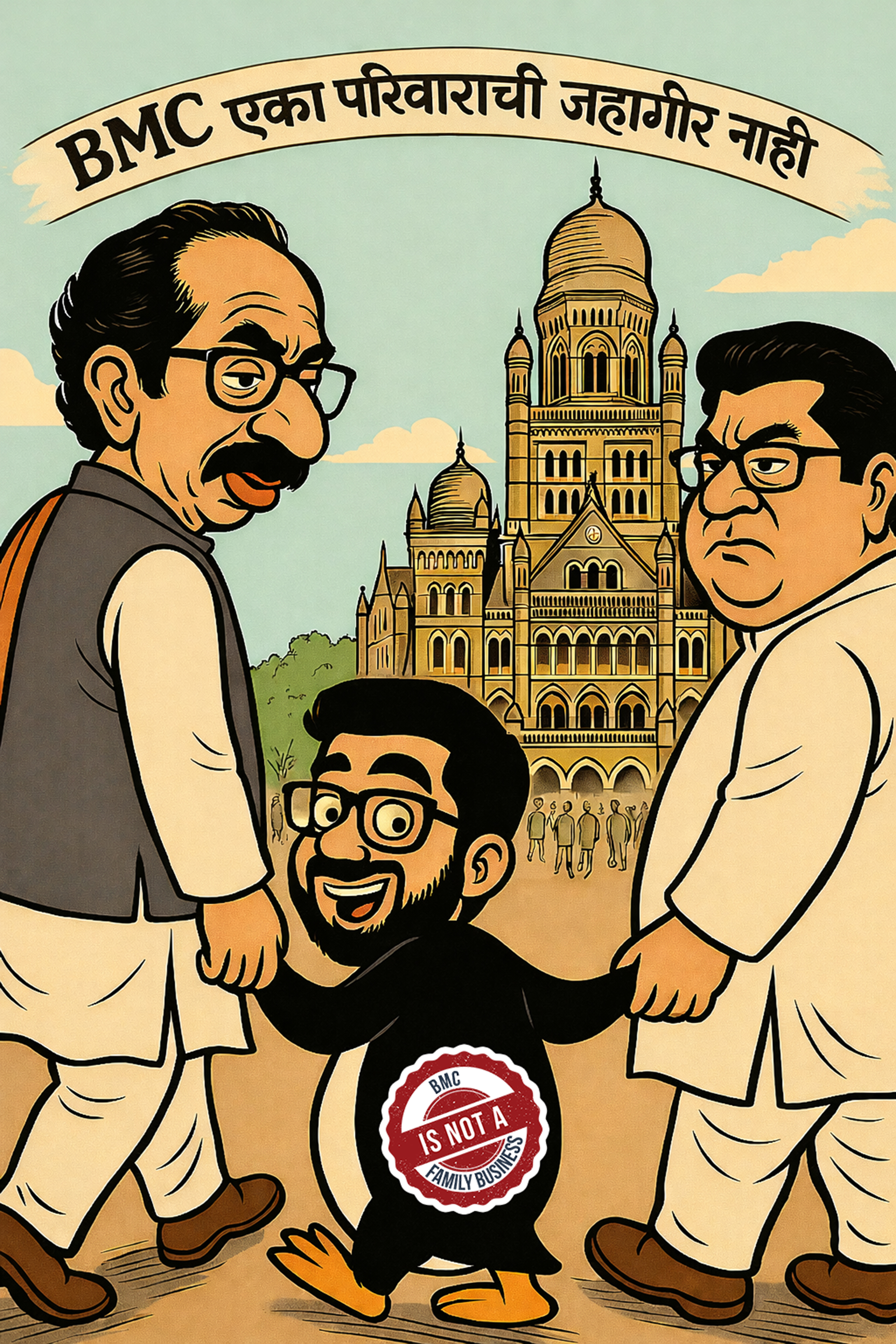
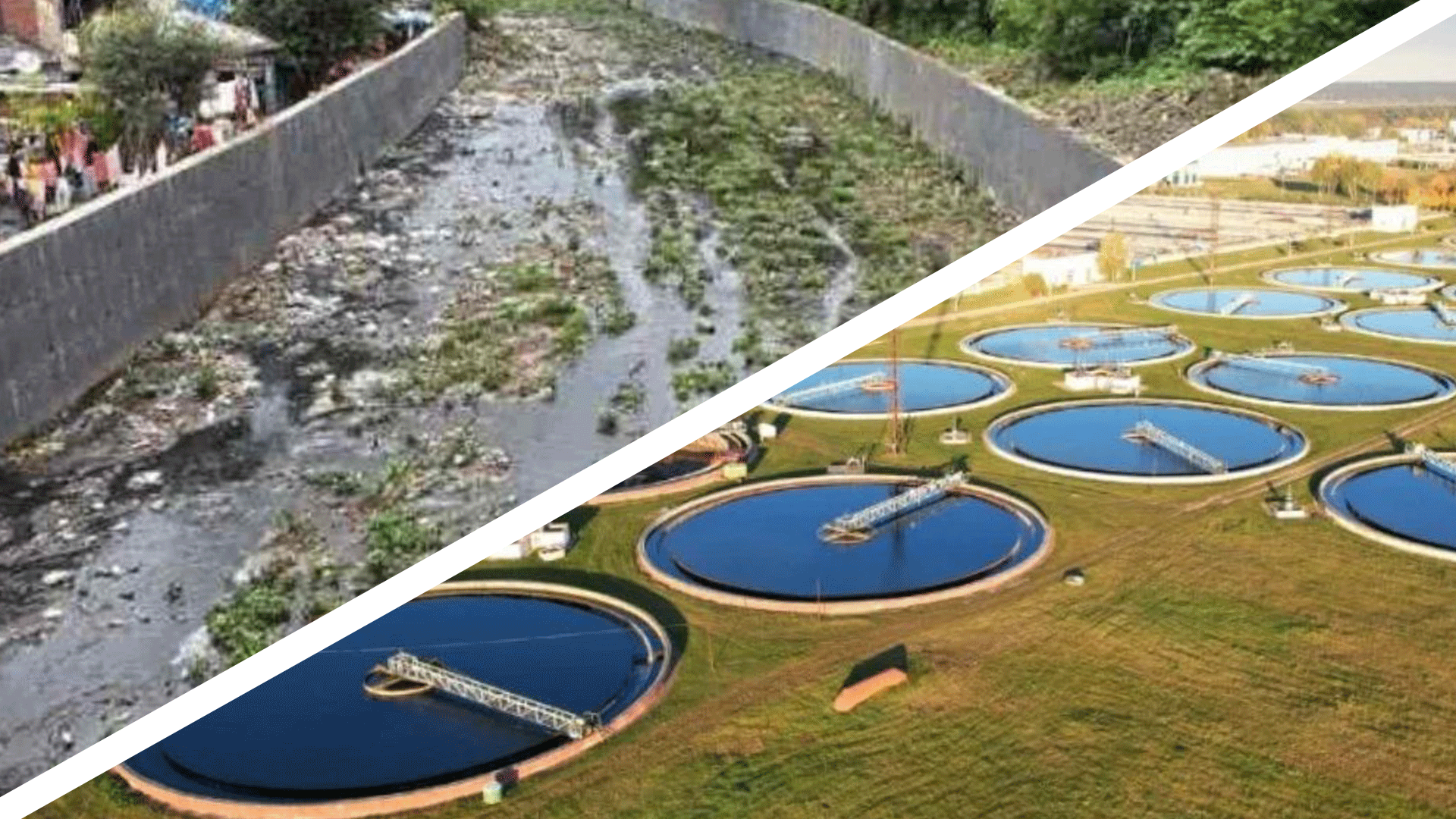
ArticlesThe Brihanmumbai Municipal Corporation (BMC) is recognised as the wealthiest local self-governing body in the country. However, due to the dominance of a single family over the BMC for more than 25 years, serious allegations have repeatedly been raised that the institution was used as a centre of power rather than a vehicle for public service. The consequence of this power-centric governance is evident today—despite being a world-class city, Mumbai has had to wait for nearly two decades for basic infrastructure facilities. The 20-year delay in Sewage Treatment Plant (STP) projects stands as the most striking and alarming example. A Project Stalled Since 2002 The concept of STP projects in Mumbai was first proposed in 2002. The need for scientific treatment of sewage generated by a growing population and increasing water supply was clearly recognised even then. Yet, despite the formulation of the concept, actual implementation never followed. In 2009, the project was restructured, but it remained confined to paper. For several subsequent years, indecision prevailed, and Mumbaikars paid the price in the form of worsening environmental pollution. A ₹26,000-Crore Ambitious Project Finally, under the “Mumbai Sewage Disposal Project–II,” seven state-of-the-art STP projects are being constructed at Worli, Bandra, Dharavi, Versova, Malad, Ghatkopar, and Bhandup. Together, these seven projects will have the capacity to treat 2,464 million litres of sewage per day. The BMC has stated that the total cost of this project exceeds ₹26,000 crore. Although the foundation stone for these projects was laid during the BJP government’s tenure, the occasion feels less celebratory and more like a reckoning for two decades of delay—especially considering that the Thackeray family ruled the BMC for nearly 25 years. This prolonged family control delivered delays, not development, to the people of Mumbai. Cancelled Tenders, Inflated Costs, and Arbitrary Decisions The delay in this project was not caused solely by technical issues. In 2017, the tender process became entangled in litigation following a notification from the Ministry of Environment. The matter reached the National Green Tribunal and the Supreme Court. Although the Supreme Court granted relief to the BMC in 2019, the work still failed to gain momentum despite the family being in power. During this period, several tenders were cancelled due to inflated costs, lack of bidders, and escalating expenses. All this occurred under the dominance of a single family at the BMC, with administrative mismanagement continuing under its patronage. In 2021, then Leader of the Opposition Devendra Fadnavis alleged that the STP tenders were “unrealistic and inflated” and demanded their cancellation. This raised serious questions about transparency in the tendering process itself. Consequences: A Mumbai Drowning in Pollution Even today, Mumbai’s sewage undergoes only primary treatment before being discharged directly into the sea, rivers, and creeks. Rivers such as the Mithi, Oshiwara, Dahisar, and Poinsur no longer function as rivers—they have effectively turned into channels of sewage. The direct consequences of this delay are visible in the degradation of marine and creek biodiversity, the contamination of drinking water sources, and—most critically—the health of Mumbaikars. Waterborne diseases, foul odour, pollution, and environmental degradation are the price citizens continue to pay for prolonged indecision. Two Decades of Power, Yet Basic Issues Remain Unresolved If a city’s most fundamental environmental project remains stalled for over two decades while power remains concentrated within a single family, responsibility must inevitably be fixed. Had the STP projects been completed on time, Mumbai’s environmental landscape would look entirely different today. Environmental experts argue that sewage should have been treated and reused—something cities like Singapore have successfully achieved. Yet Mumbai continued to rely on outdated technological solutions, which itself reflects the failure caused by prolonged delay. Had there been genuine political will within the family controlling the BMC, this project would have been completed 20 years ago. The Final Question from Mumbaikars The commencement of the STP project today is necessary and deserves to be welcomed. But at the same time, the unanswered question remains—who will take responsibility for the 20-year delay, the ₹26,000-crore cost escalation, and the environmental damage caused? Mumbaikars endured two decades of pollution, health risks, and stalled development. But remember— they will no longer tolerate it, because the BMC is not the private estate of any single family. BMC is not a family business #notafamilybusiness
Continue watching