BMC’s Covid dead-body bag scam: who profited off the dead during the pandemic?
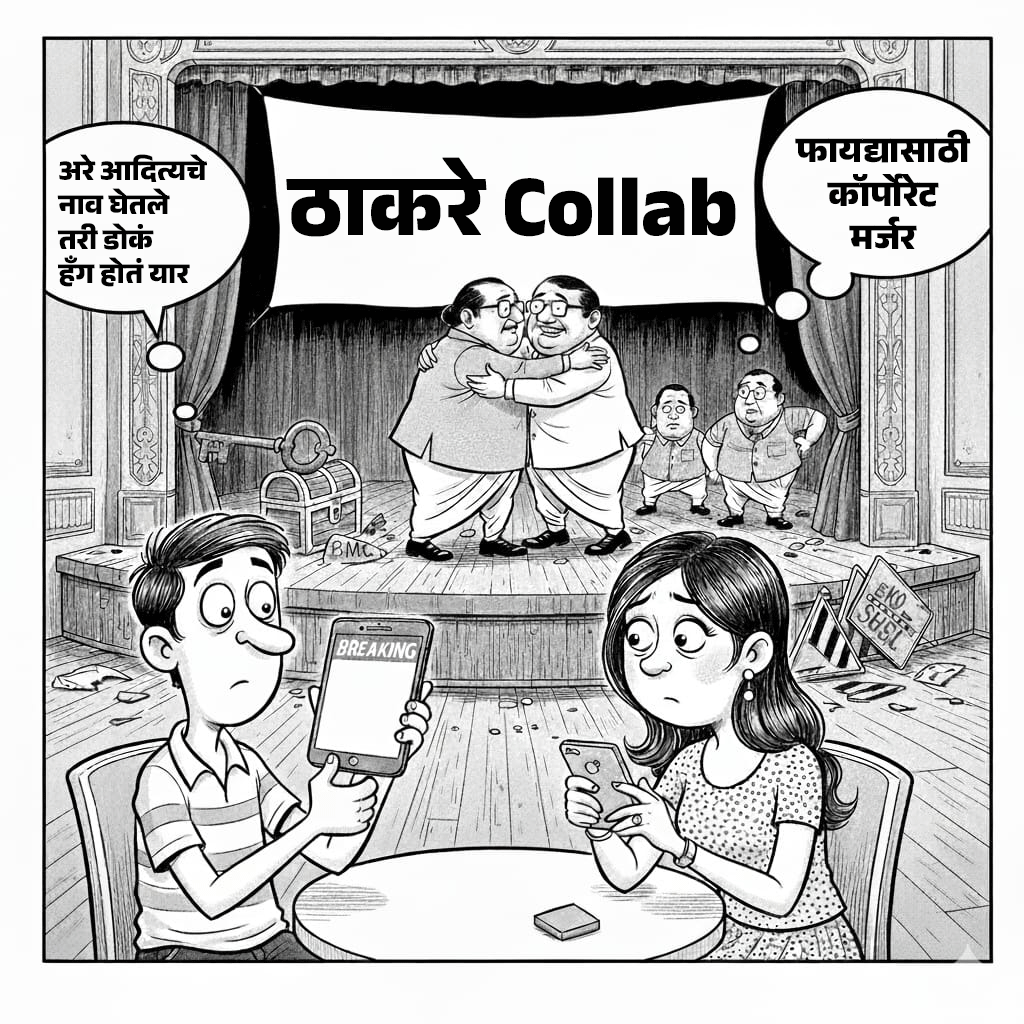
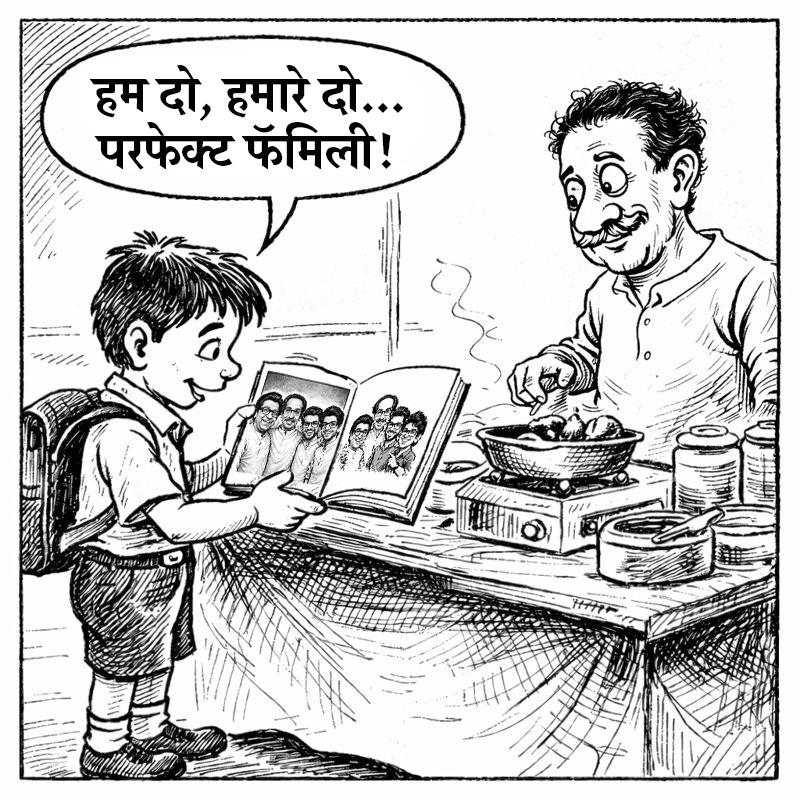
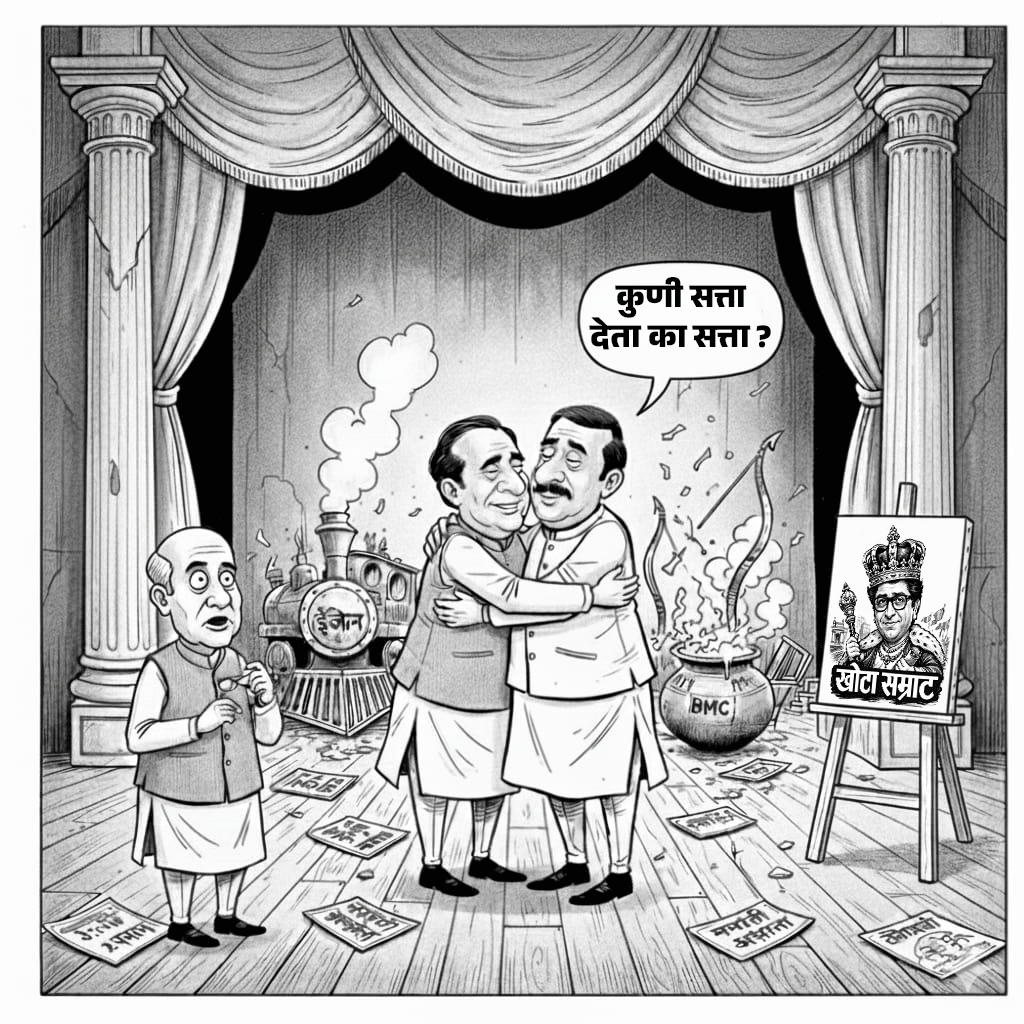
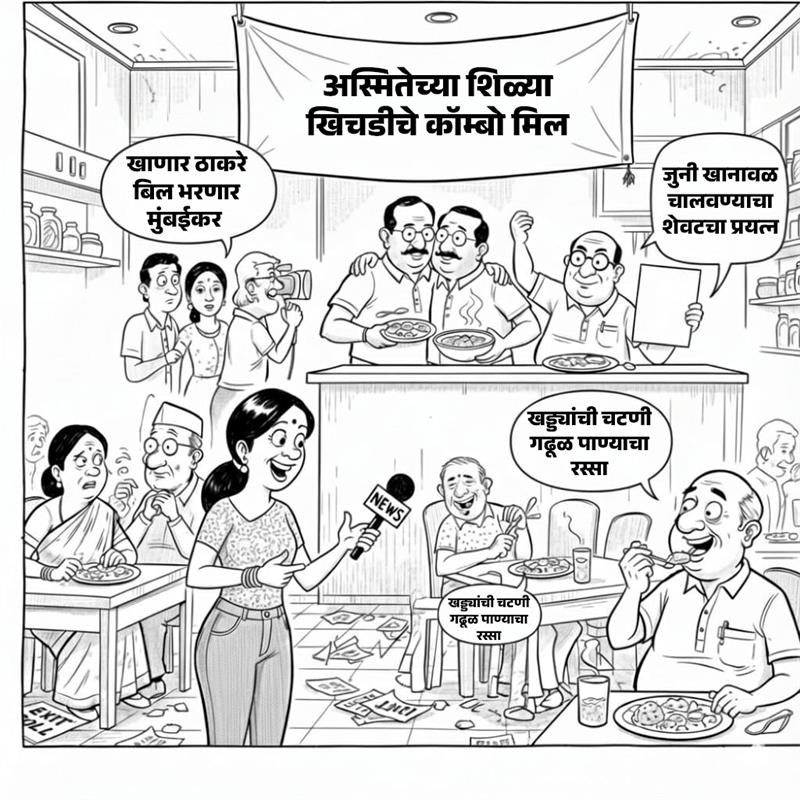
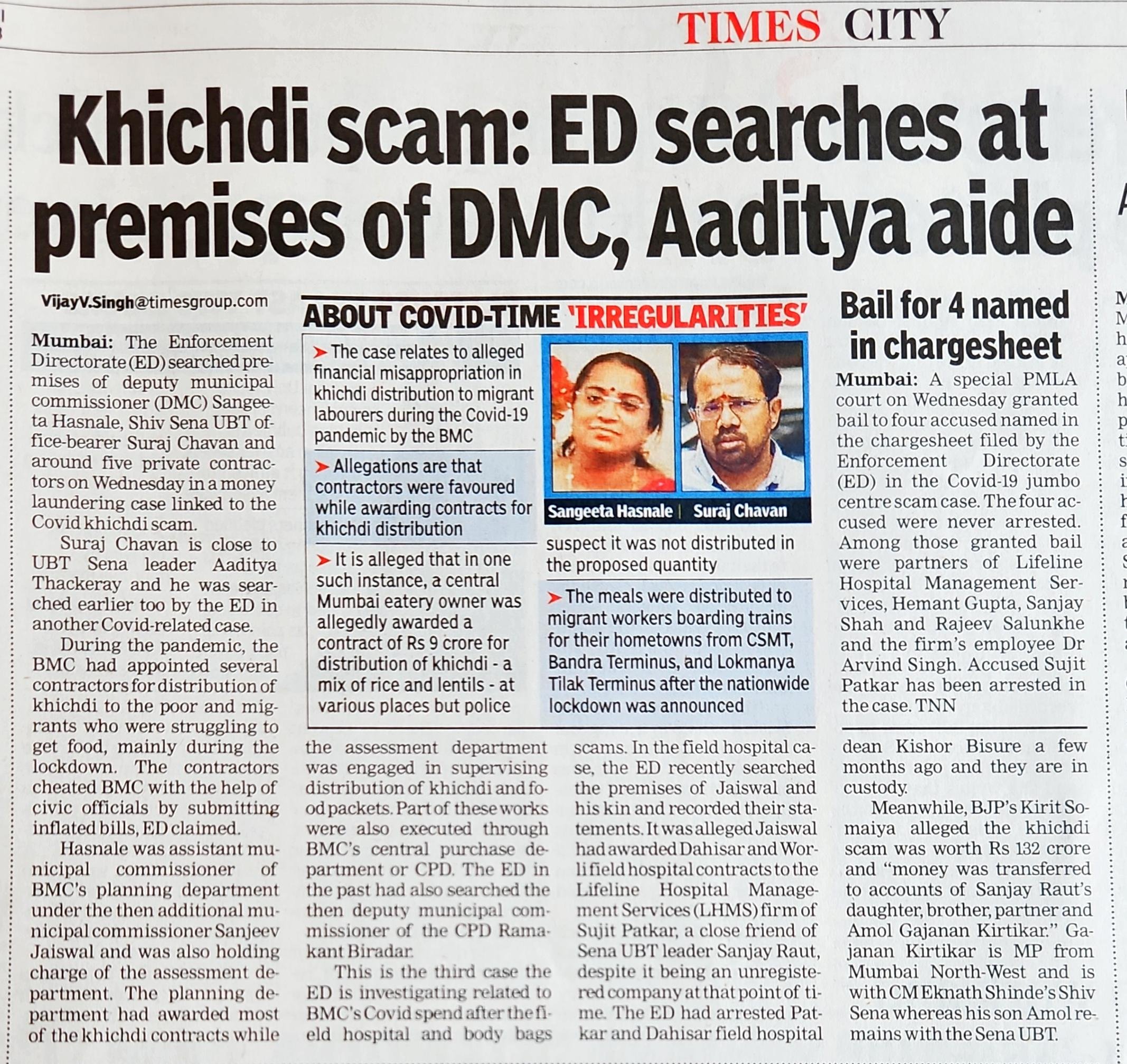
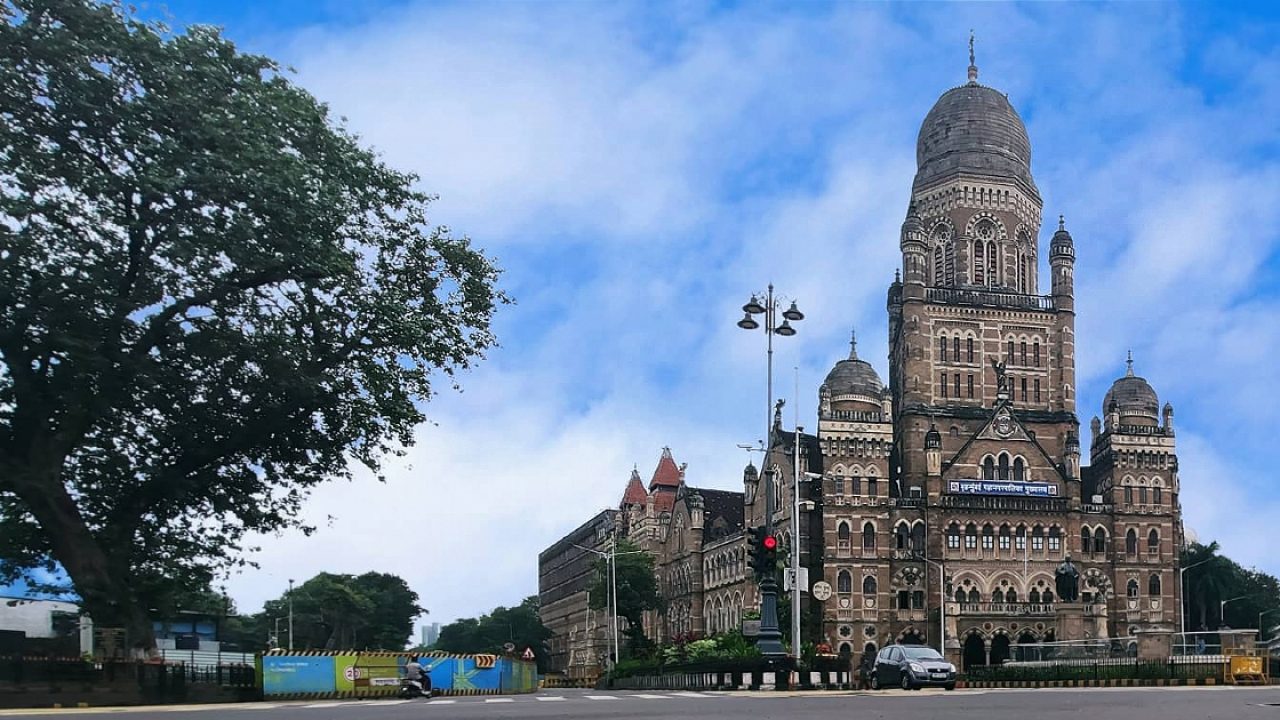
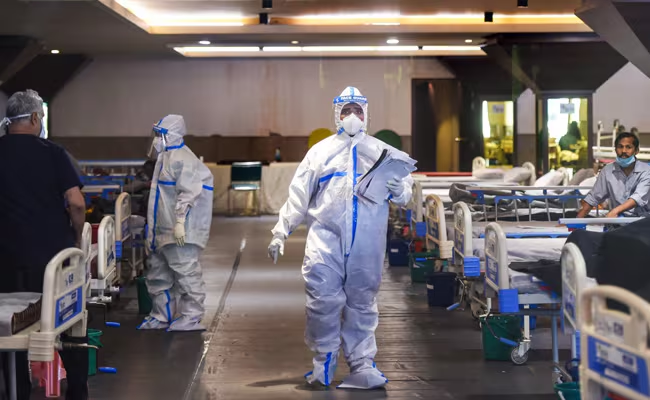
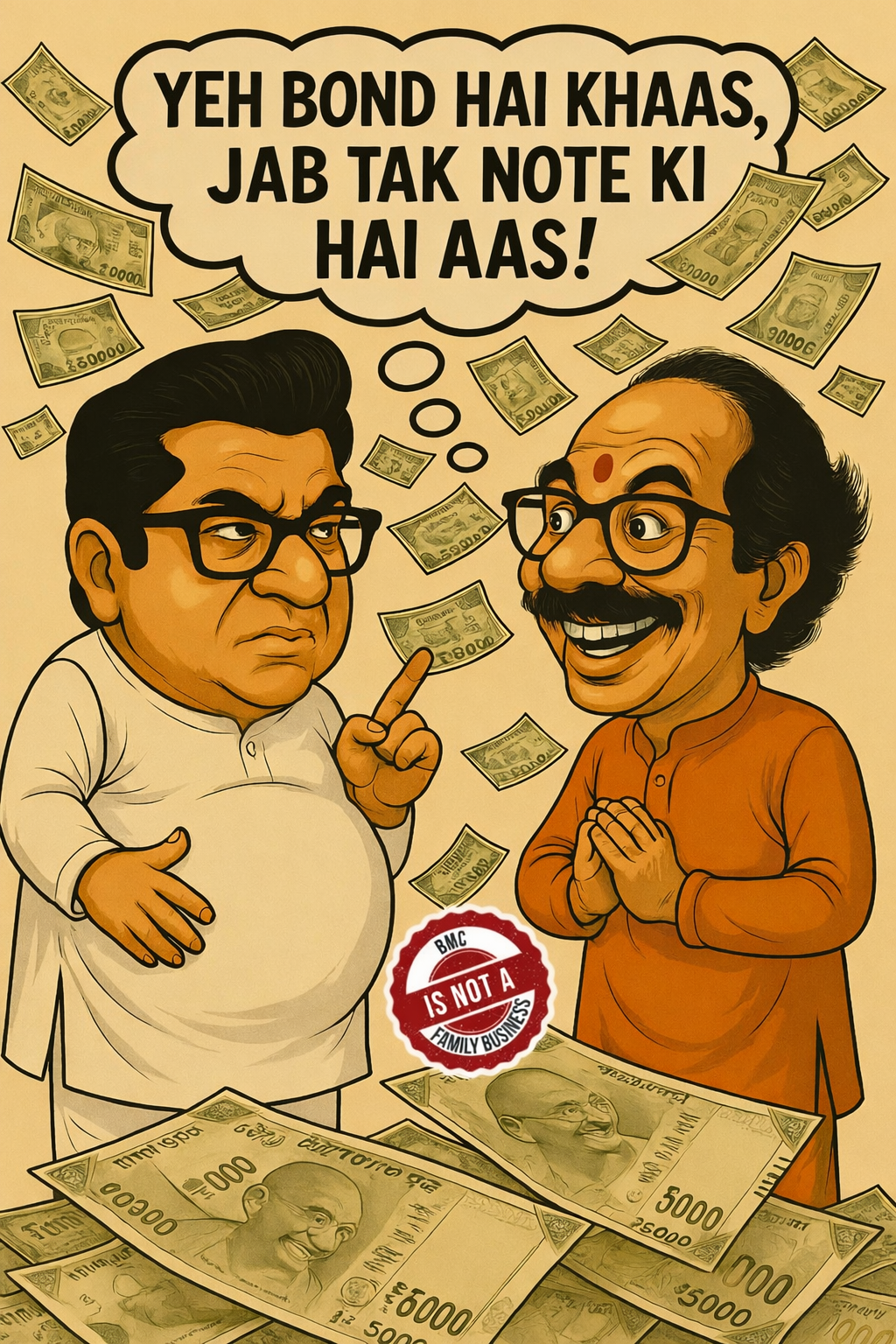
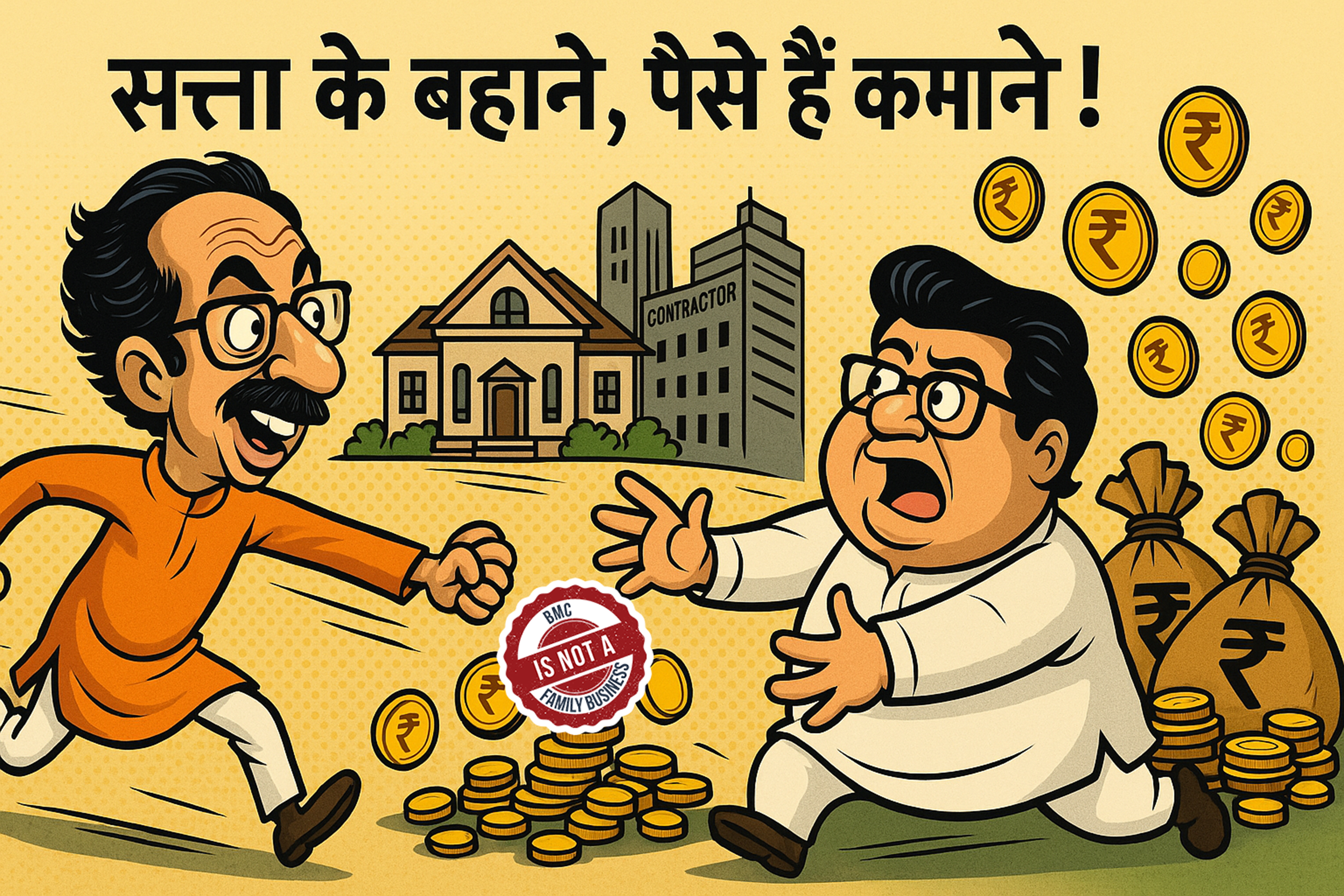
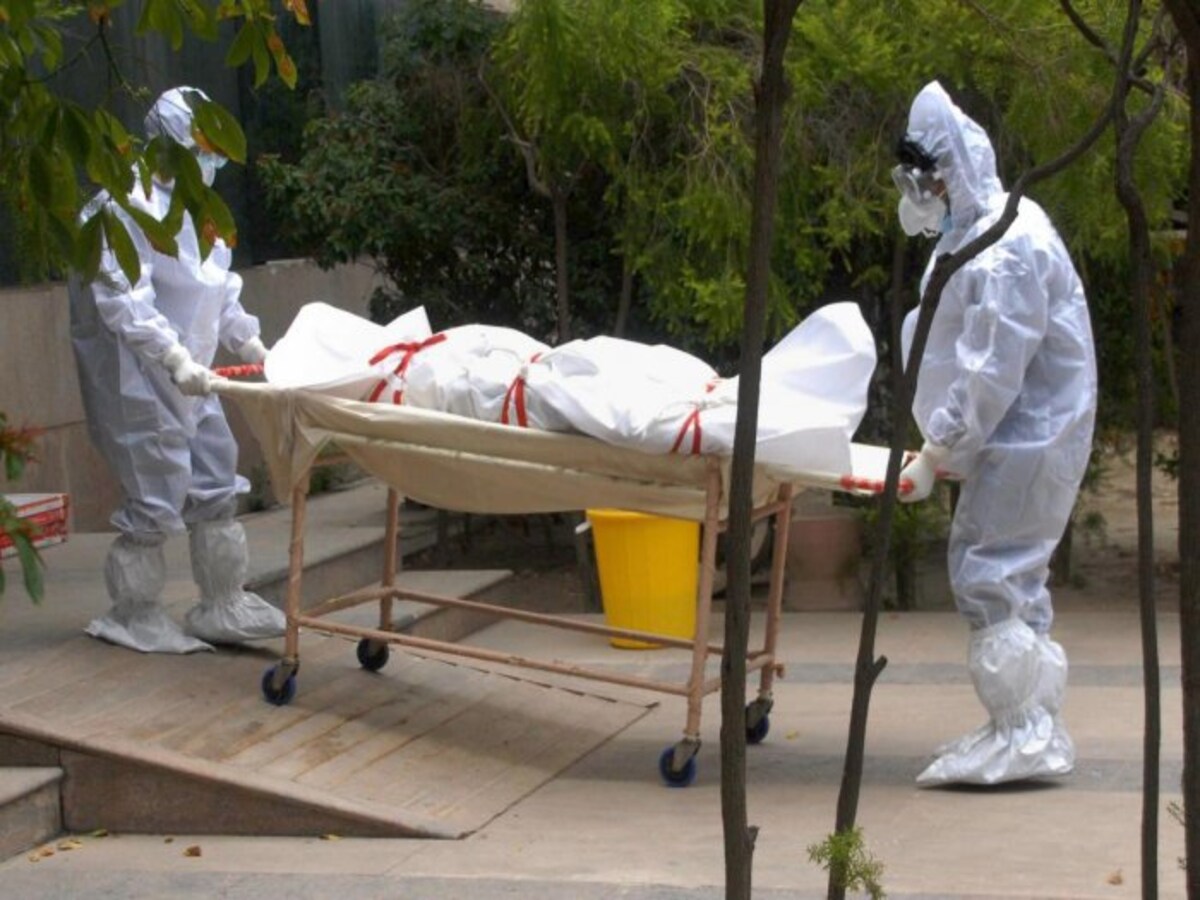
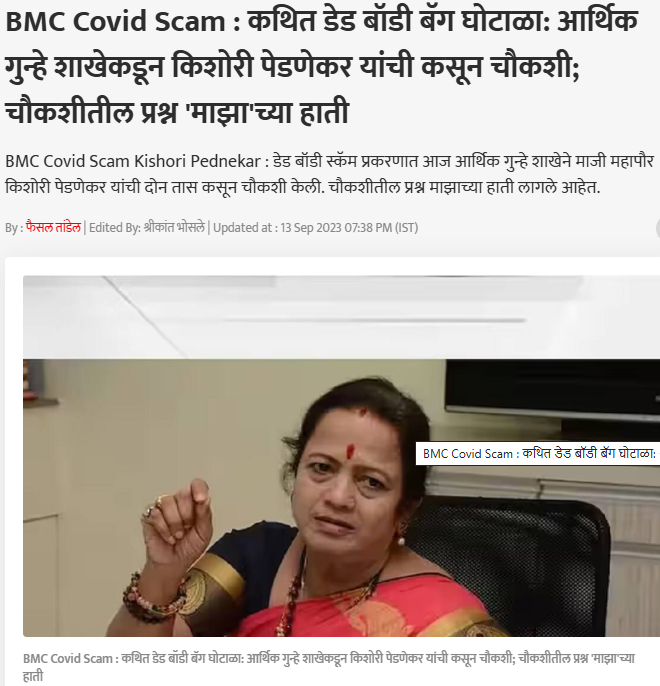
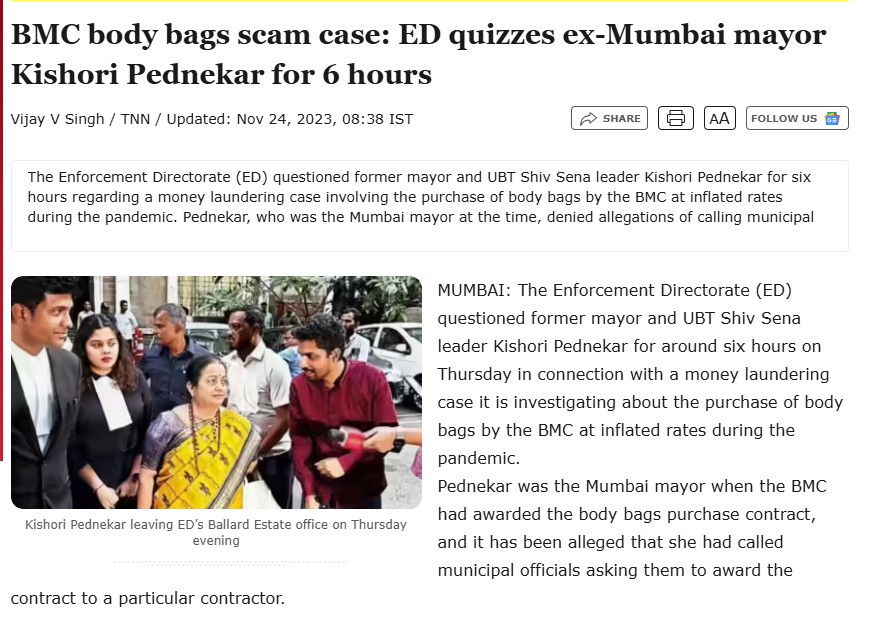
ArticlesWhen the COVID-19 pandemic struck Mumbai, thousands of families in the city were living under the shadow of death. The scramble for oxygen outside hospitals, queues for last rites at crematoriums, and the steadily rising death toll—against this terrifying reality, a shocking alleged scam has now come to light. In the BMC’s COVID dead body bag procurement case, the name that has directly surfaced is that of Kishori Pednekar, a close aide of Matoshree and the then Mayor of Mumbai. According to allegations by investigative agencies, financial irregularities were committed by charging exorbitant rates for body bags required for the last rites of the deceased. Mumbaikars are today asking whether the sin of “profiting from the dead” was committed in this case. Notably, since this alleged corrupt transaction occurred under the political patronage of a family ruling the BMC, the matter represents not only an economic offense but also a serious charge of moral degradation. There is no dispute that dead body bags were required for the safe handling of bodies during the first and second waves of COVID-19. However, while these bags were generally available in the market for around ₹1,500 to ₹2,000, the Mumbai Municipal Corporation is accused of purchasing them at rates ranging from ₹6,700 to ₹6,800 per bag. This procurement was carried out through the BMC’s Central Procurement Department, and investigative agencies have expressed suspicion that large-scale financial irregularities occurred through this transaction. According to information revealed during the investigation, a private company supplied these body bags at approximately ₹2,000 per unit, while the same bags were sold to the BMC through an intermediary company at nearly three times the price. A substantial financial gain was allegedly made through this price difference. The entire transaction is alleged to involve collusion, decisions taken outside established rules, and exploitation of an emergency situation. While the city was struggling to breathe during the COVID pandemic, was a commission culture also operating in the management of dead bodies—this question has emerged through the investigation. At the center of this alleged scam is Kishori Pednekar, who was the First Citizen of Mumbai at the time. The FIR filed by the Economic Offences Wing states that approximately 1,200 dead body bags were procured between May and June 2020 under her orders or pressure. The investigation has also revealed allegations that Dr. Haridas Rathod was compelled to procure these bags only from a specific company. This strengthens the suspicion that the transaction was not merely an administrative error, but an alleged financial irregularity resulting from political interference. In this matter, the Economic Offences Wing of the Mumbai Police registered a case in August 2023 under serious sections including cheating, criminal breach of trust, and criminal conspiracy. During the investigation, not only the procurement of body bags but also transactions related to the purchase of masks, PPE kits, and other medical supplies during the COVID period are being examined. Investigative agencies have expressed suspicion that this forms part of a broader chain of COVID procurement scams. The Enforcement Directorate has also intervened in the case, expressing suspicion of money laundering. According to the ED’s investigation, alleged black money obtained from COVID-period procurement transactions was diverted through various channels. In this connection, Kishori Pednekar has been questioned, and investigative agencies have revealed that assets worth approximately ₹12 crore have been attached. According to investigators, a preliminary estimate suggests a direct financial gain of around ₹49.63 lakh from this transaction. Meanwhile, the Bombay High Court has granted Kishori Pednekar protection from arrest in this case. The court has directed that no coercive action be taken until the investigation is complete and that, in the event of arrest, she should be immediately released on bail. However, judicial relief does not amount to innocence—this is equally clear. The investigation is still ongoing, and the final truth is yet to emerge. This alleged scam has once again brought a fundamental question to the forefront. Is the BMC an institution of the people of Mumbai, or the fiefdom of a political family? When ordinary Mumbaikars were losing their loved ones during the pandemic, was profit earned from the management of dead bodies under the shelter of power—this question is not merely legal but moral in nature. As of now, no guilt has been proven in this case, and the final verdict will be delivered by the court. However, the COVID dead body bag case has raised serious questions about the functioning of the Mumbai Municipal Corporation. It has also highlighted that under the patronage of a family that has ruled the BMC for many years, such scams have allegedly taken place. As a result, the integrity of this leadership is now under question. Mumbaikars will not refrain from demanding accountability for the decisions taken during the COVID pandemic and the intentions behind them— because remember, Mumbai is not the fiefdom of any one family. BMC is not a family business #notafamilybusiness
Continue watching